Allergy Reduction Strategies
Comprehensive tips and techniques to minimize allergens in your home and create a healthier living environment.
Ventilation and Airflow Tips
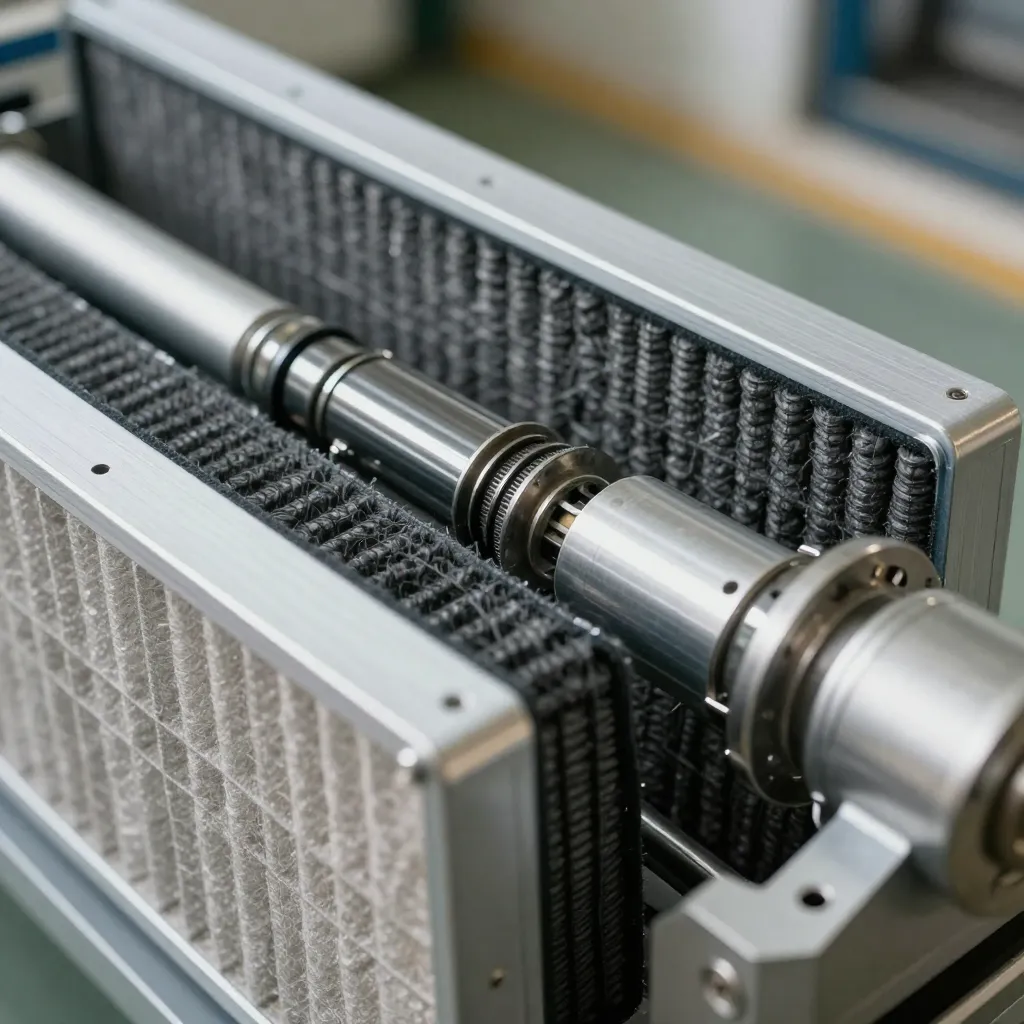
Proper ventilation is crucial for maintaining healthy indoor air quality. Open windows during times when outdoor allergen levels are lower, typically early morning or after rain. Use exhaust fans in kitchens and bathrooms to remove moisture and cooking odors that can contribute to indoor air problems.
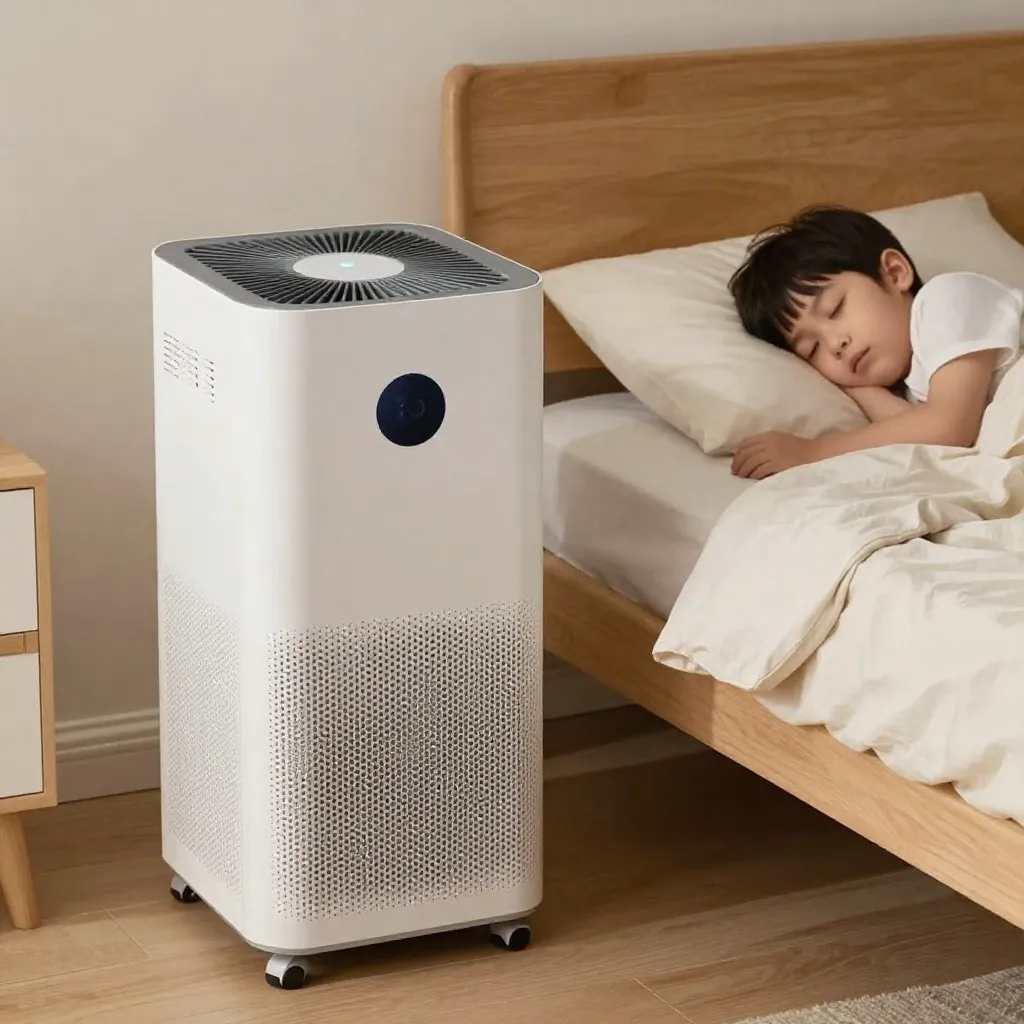
Create cross-ventilation by opening windows on opposite sides of your home to encourage air movement. However, during high pollen seasons, keep windows closed and rely on your air purifier to maintain clean indoor air.
Consider installing trickle vents or mechanical ventilation systems that filter incoming air, providing fresh air exchange without introducing outdoor allergens.
Reducing Dust and Pet Allergens
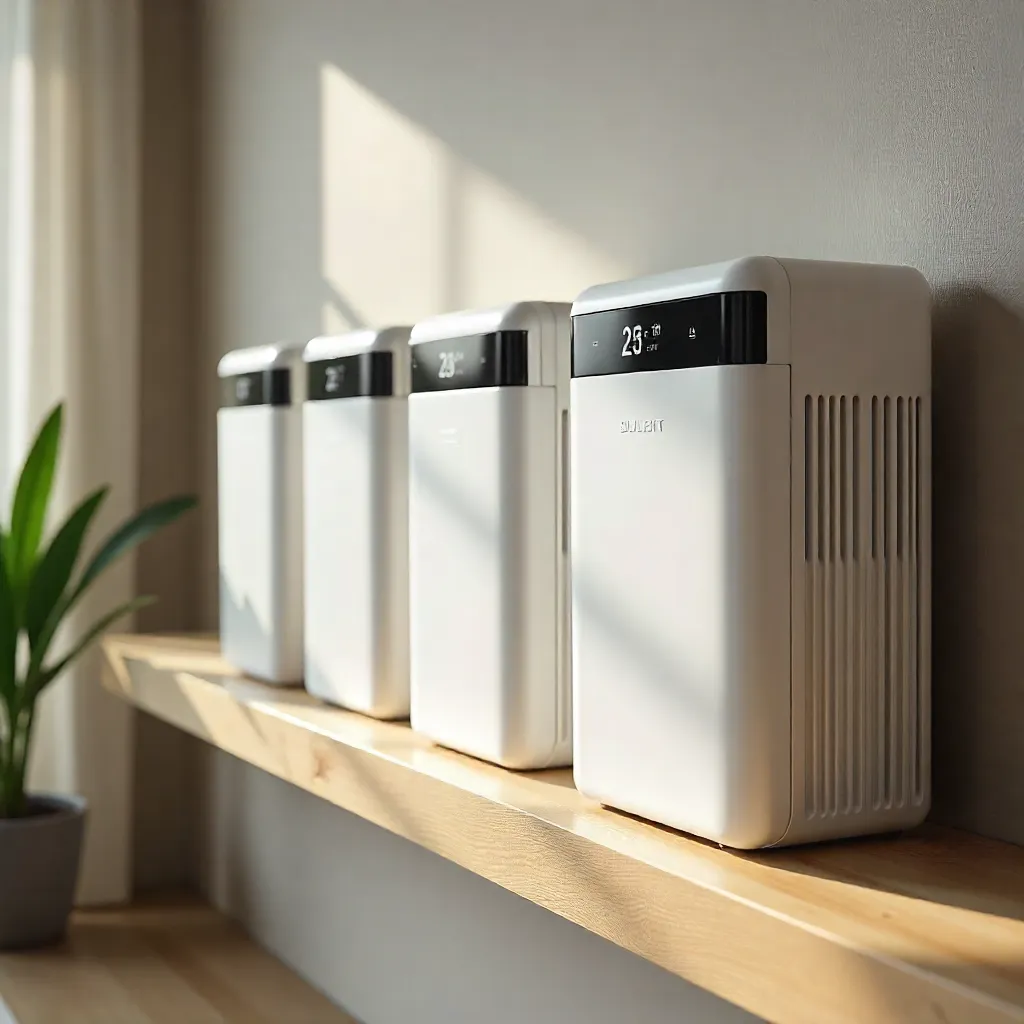
Regular cleaning with a HEPA-filtered vacuum cleaner removes dust mites, pet dander, and other allergens from carpets and upholstery. Vacuum at least twice weekly, paying special attention to areas where pets spend time.
Wash bedding weekly in hot water (at least 130°F) to kill dust mites. Use allergen-proof covers for mattresses and pillows to create a barrier against dust mites. Minimize fabric items like curtains and heavy drapes, which can trap allergens.
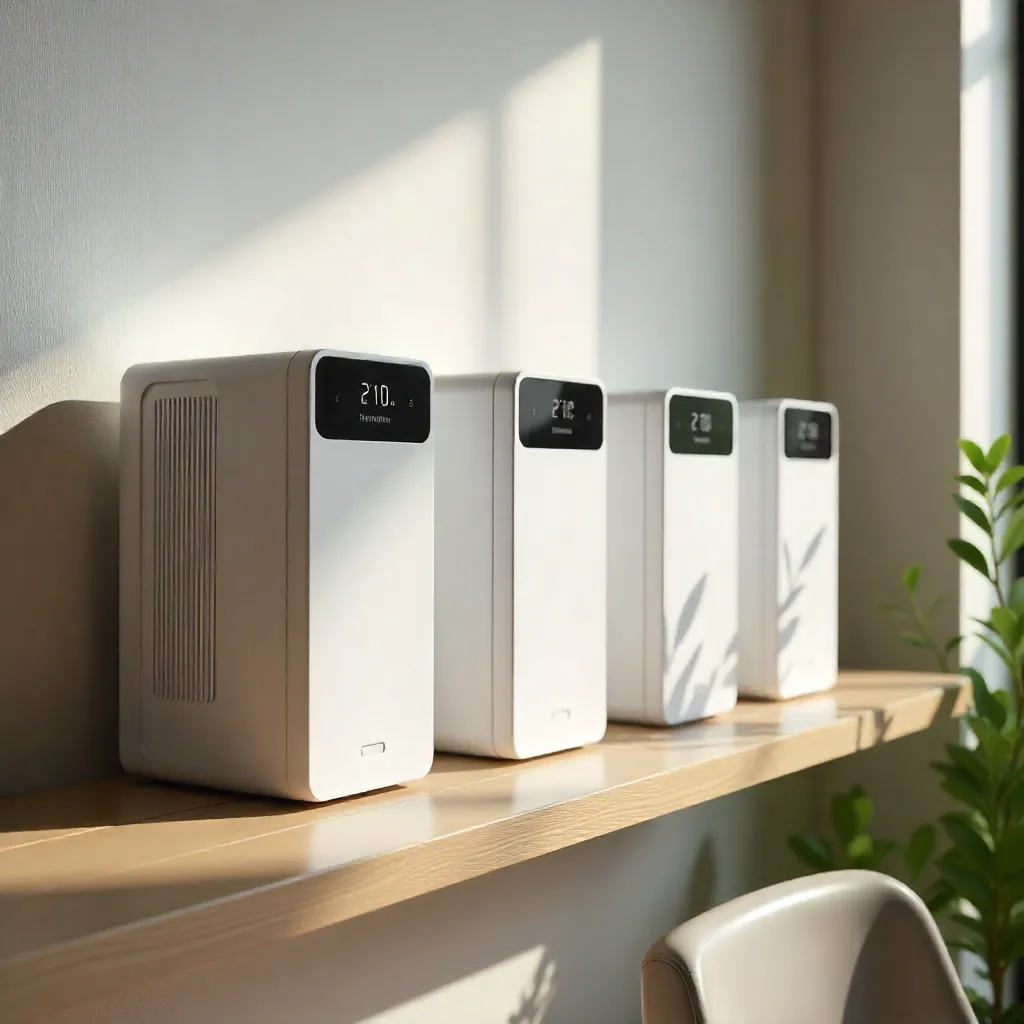
For pet owners, establish pet-free zones, especially bedrooms. Groom pets regularly outdoors, and consider using air purifiers specifically in rooms where pets spend time. Hard flooring surfaces are easier to keep allergen-free than carpets.
Humidity Control
Maintaining optimal humidity levels between 30% and 50% helps prevent mold growth and dust mite proliferation. Use a hygrometer to monitor humidity levels throughout your home.
In humid climates, use dehumidifiers in basements and other damp areas. Fix any water leaks promptly, and ensure proper ventilation in bathrooms and kitchens. In dry climates, consider using humidifiers, but clean them regularly to prevent mold and bacteria growth.
Air conditioning systems help control humidity while filtering air. Ensure your HVAC system is properly maintained with clean filters and regular professional servicing.
Eco-Friendly Cleaning and Textiles
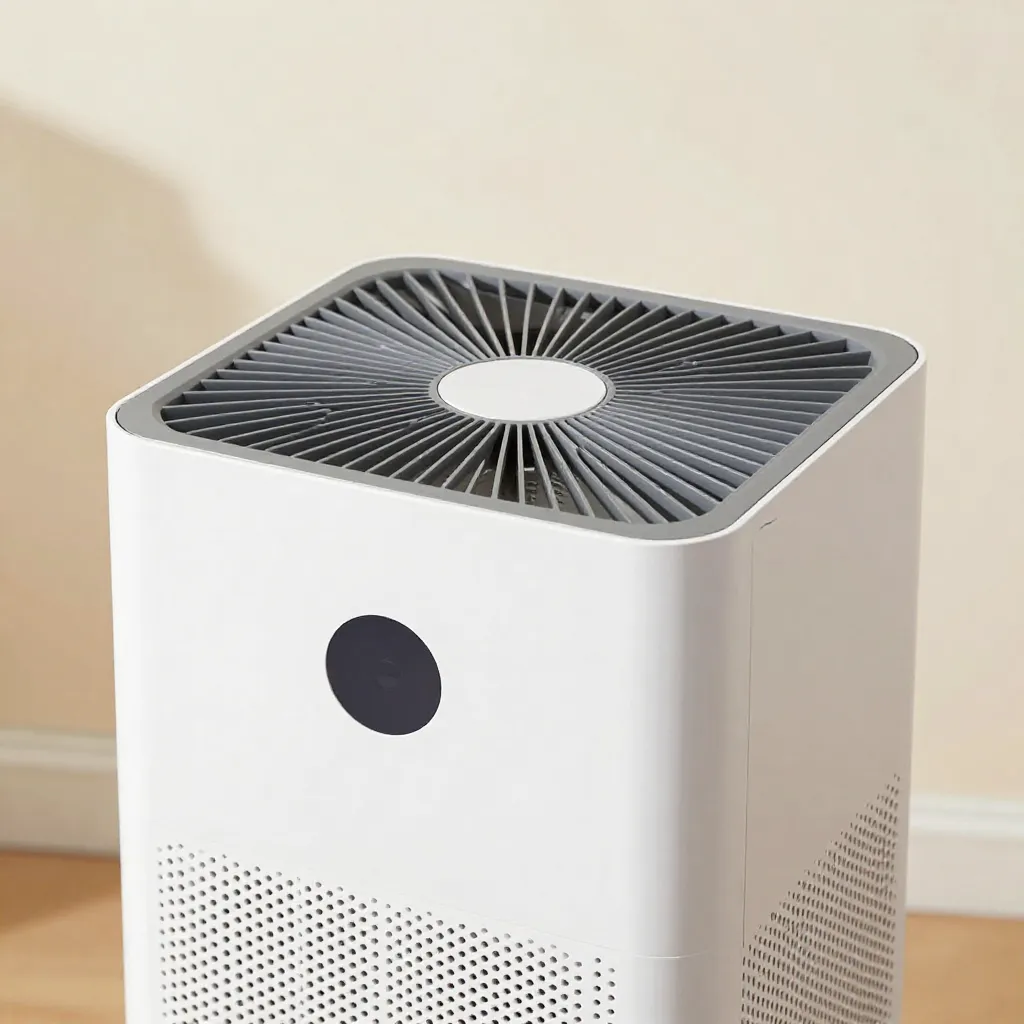
Choose cleaning products that are free from harsh chemicals and fragrances, which can trigger allergic reactions. Natural alternatives like vinegar, baking soda, and essential oils can be effective for many cleaning tasks without introducing irritants.
Select textiles carefully for allergy-sensitive individuals. Choose washable, hypoallergenic materials for bedding and upholstery. Avoid wool and down, which can harbor dust mites and trigger reactions. Opt for synthetic or tightly woven natural fibers that are easier to clean.
Regular washing of all fabric items in hot water helps remove allergens. Consider using allergen-reducing laundry additives, and avoid fabric softeners and scented detergents that can leave residue and trigger sensitivities.
Quick Reference Guide
Daily Habits
Keep windows closed during high pollen times, use air purifiers continuously, and maintain consistent cleaning routines.
Weekly Tasks
Vacuum with HEPA filter, wash bedding in hot water, dust surfaces with damp cloths, and clean air purifier filters.
Seasonal Prep
Replace filters before peak seasons, deep clean before winter, and adjust humidity levels based on seasonal changes.