Air Purifier Types & Technologies

Understanding different filtration systems helps you choose the right solution for your indoor air quality needs.

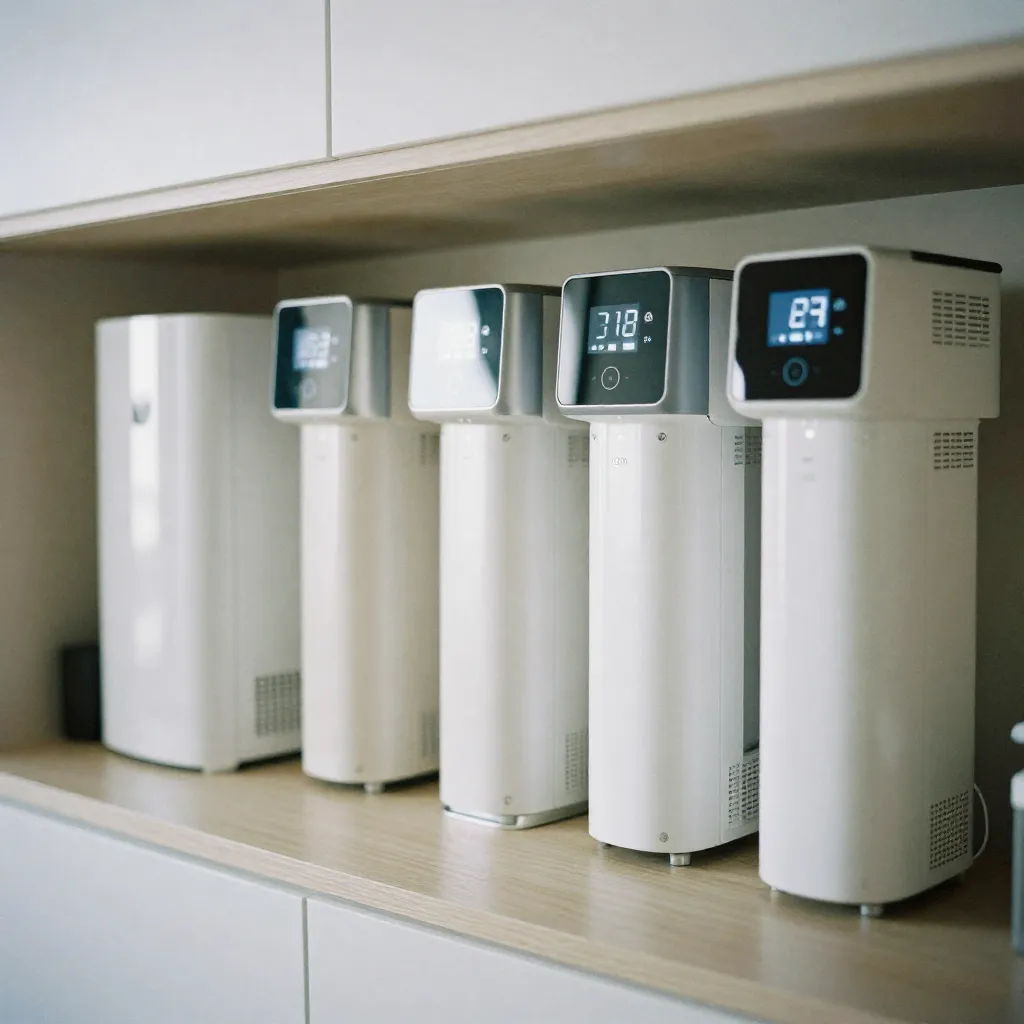
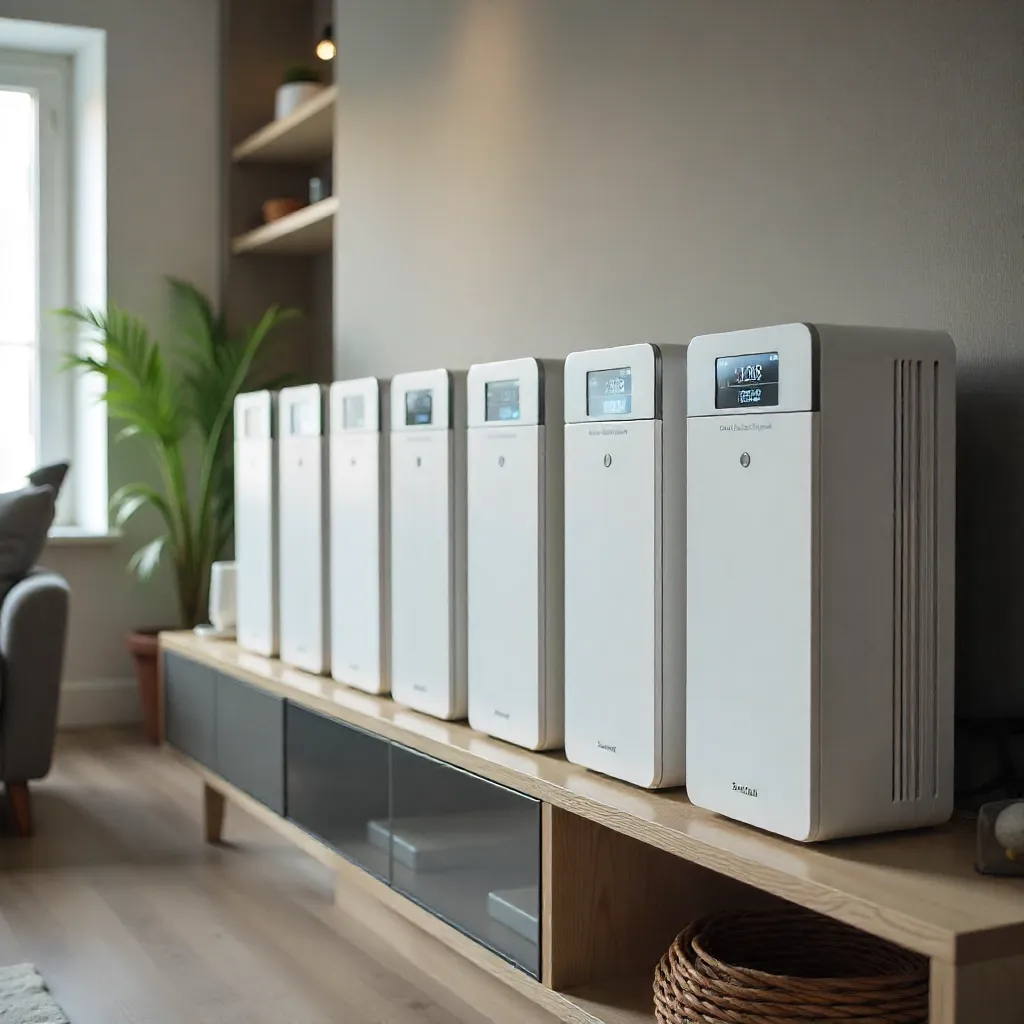
Various air purifier models displayed

HEPA Filters

High-Efficiency Particulate Air (HEPA) filters represent the gold standard in air filtration technology. These filters are capable of capturing particles as small as 0.3 microns with 99.97% efficiency, making them highly effective against pollen, dust mites, pet dander, and other common allergens.

HEPA filters work by forcing air through a fine mesh that traps harmful particles. The dense fiber structure creates multiple layers of filtration, ensuring that even microscopic particles are captured before air circulates back into your living space.

Allergy-Friendly HEPA Certified
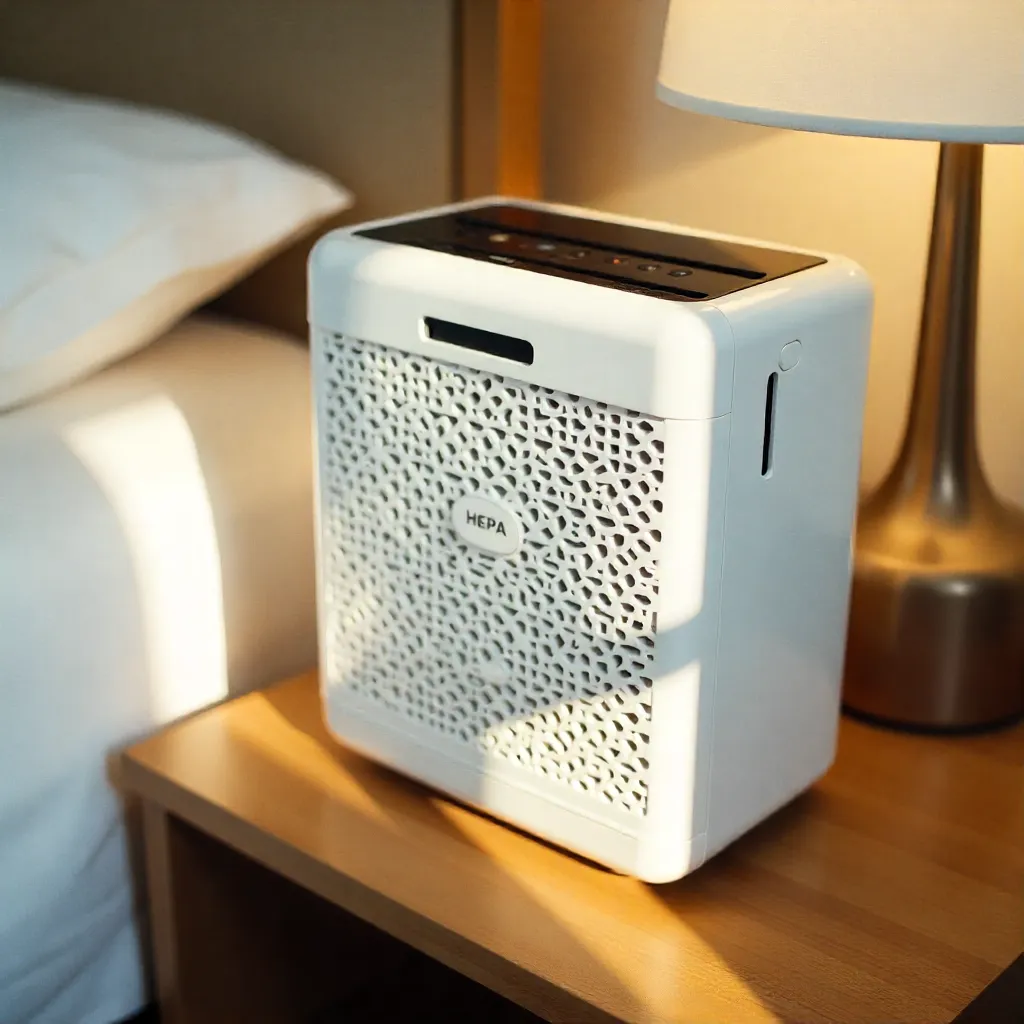
HEPA filter air purifier closeup

Activated Carbon Filters

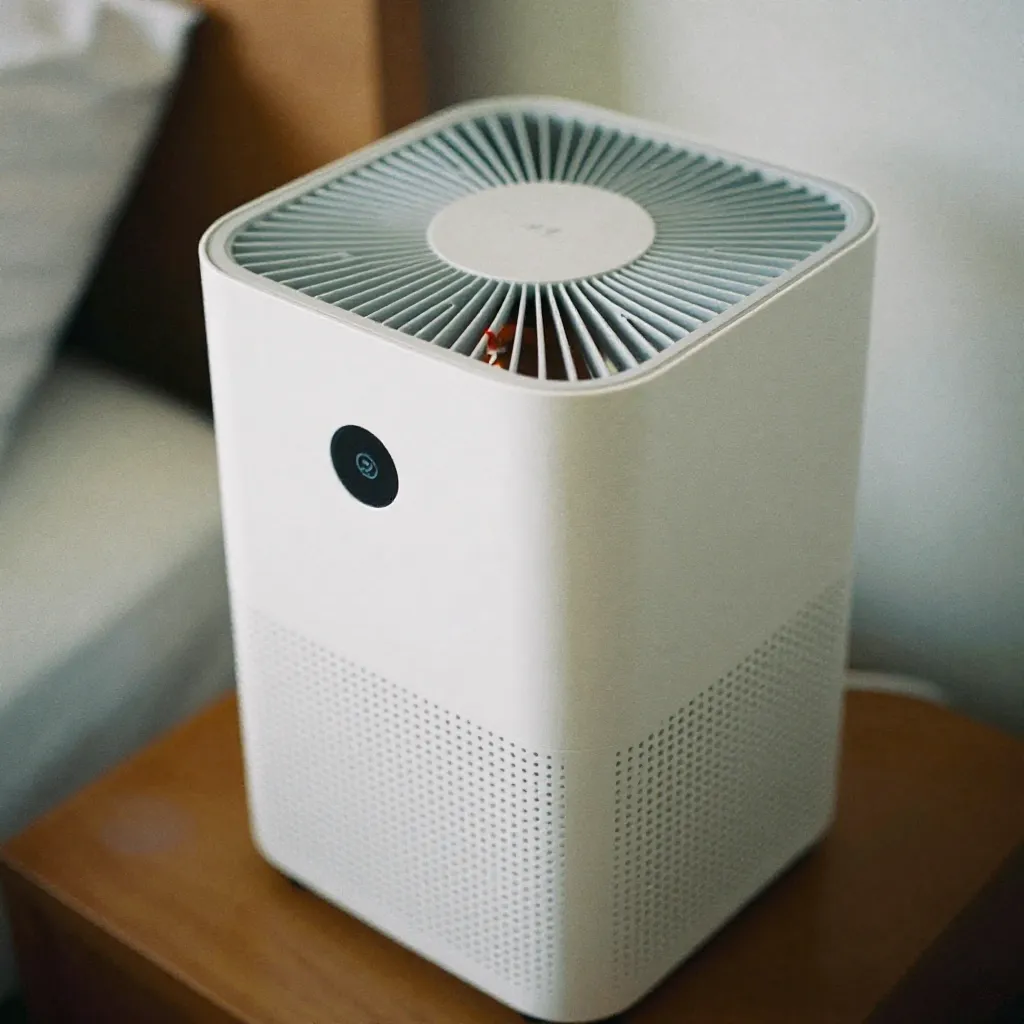
Air purifier with activated carbon filter

Activated carbon filters excel at removing odors, gases, and volatile organic compounds (VOCs) from indoor air. These filters use a process called adsorption, where molecules adhere to the surface of the carbon material.

Ideal for homes with cooking odors, pet smells, or chemical sensitivities, activated carbon filters work in conjunction with HEPA filters to provide comprehensive air purification. The porous structure of activated carbon provides an extensive surface area for capturing unwanted airborne chemicals.

Odor Removal VOC Reduction

UV-C Purification

Ultraviolet-C (UV-C) light technology adds an extra layer of protection by neutralizing bacteria, viruses, and mold spores. When air passes through the UV-C chamber, harmful microorganisms are exposed to germicidal ultraviolet light that disrupts their DNA structure.

UV-C purification is particularly beneficial in environments where maintaining sterile air quality is important. This technology works silently and continuously, complementing mechanical filtration methods to provide comprehensive air sanitization.

Germicidal Low Energy
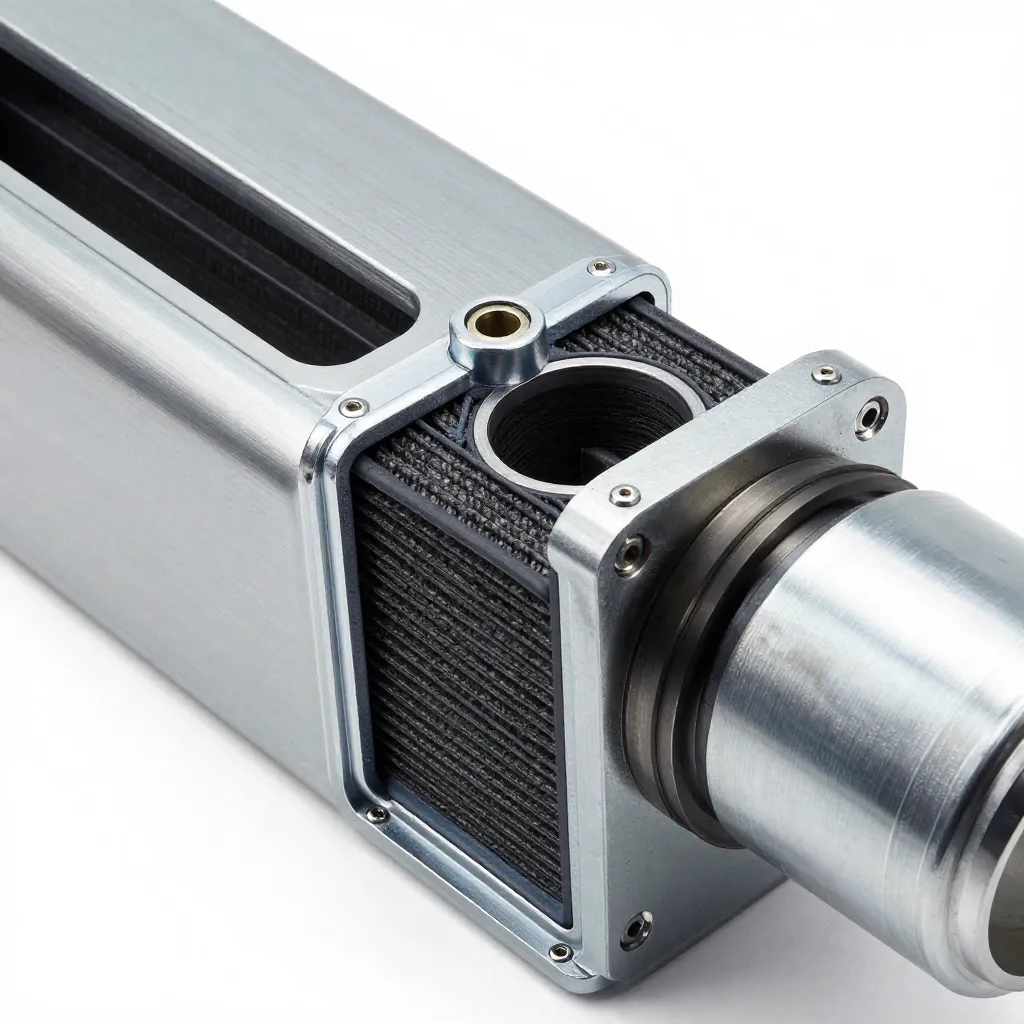
Commercial HVAC filtration system with UV-C

Ionizers and Hybrid Systems

Portable hybrid air purifier with ionizer

Ionizer technology releases negative ions into the air, which attach to positively charged particles like dust and allergens, causing them to fall out of the air or be attracted to collection plates. Hybrid systems combine multiple technologies for maximum effectiveness.

Modern hybrid air purifiers integrate HEPA filtration, activated carbon, UV-C light, and ionization in a single unit. This multi-technology approach ensures comprehensive air cleaning, addressing both particulate matter and airborne pathogens simultaneously.

Multi-Technology Comprehensive

Energy-Efficient Models for Homes

Energy-efficient air purifiers are designed to maintain optimal air quality while minimizing power consumption. These models feature smart sensors that automatically adjust fan speed based on air quality readings, reducing energy use when high filtration isn't necessary.

Many energy-efficient models are ENERGY STAR certified, meaning they meet strict efficiency guidelines while maintaining excellent filtration performance. These units are ideal for continuous operation, providing round-the-clock air purification without significantly impacting your electricity bill.

Energy Efficient Smart Sensors
Energy-efficient home air purifiers

Choosing the Right System

Selecting the appropriate air purification system depends on your specific needs, room size, and air quality concerns. Consider factors such as the types of allergens present, room dimensions, noise tolerance, and energy efficiency requirements.

Get Expert Advice